Showing posts with label Inskip Point. Show all posts

Tuesday, October 25, 2011

Boats and Birds.

This post is for NatureFootstep Waters

I went out to Inskip Point soon after sun-rise this morning. I hoped that I would see shorebirds roosting on the Point - IF - I got out there before too many people started walking around. I was lucky - there were several thousand birds roosting on the sand. This is one end of the flock that was furthest out on the Point. (More about them tomorrow when I have had a chance of going through all the photos I took.)
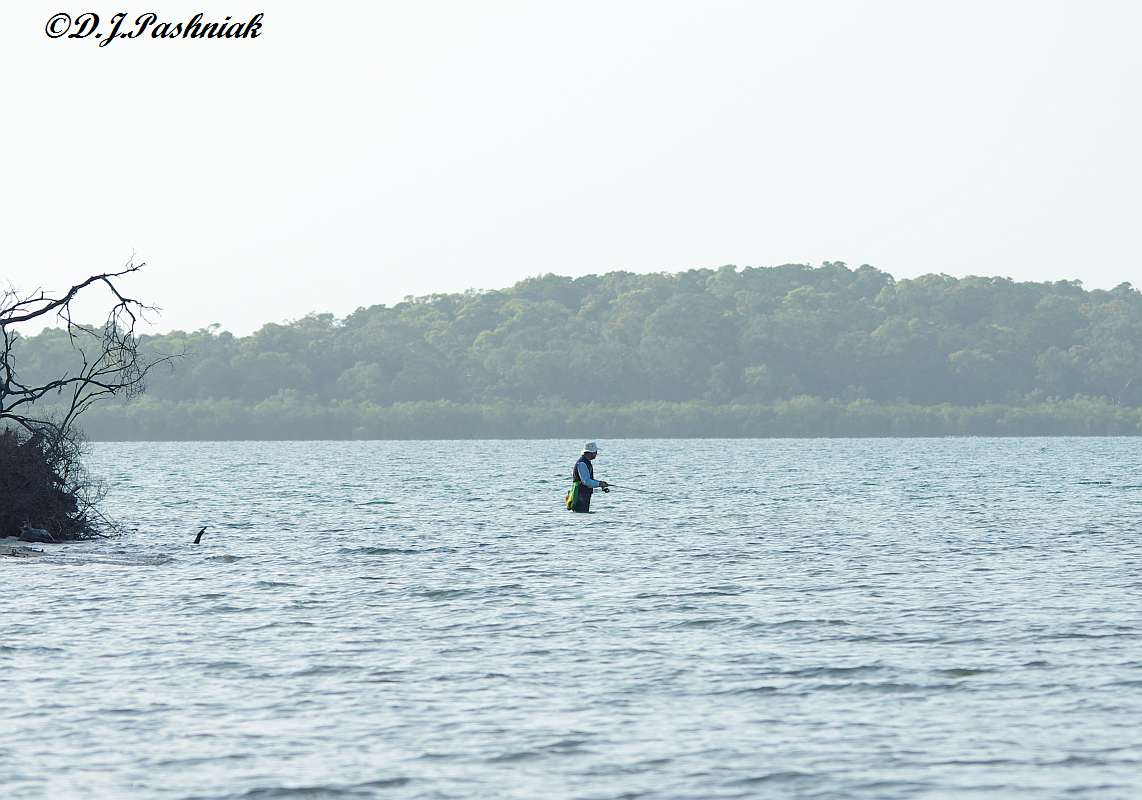
I got out there even before the barge for Fraser Island had arrived. However, it is never too early for a fisherman to start trying for a big catch!
The barge came across from Bullock Point soon after but it went straight over to Fraser Island where there were vehicles waiting to come back.
There were several small fishing boats speeding across the water. This one went very close to the sand island and disturbed all the birds from out there.
This one came past the Point a little later and the birds did not disturb at all.

Friday, September 5, 2008

Down the Pathways of the Sky


Down the 'pathways of the sky' from Alaska to Inskip Point. A newly arrived flock of Bar-tailed Godwits rest on a sandbank at high tide.

On the other end of the sand bank there were also small numbers of Eastern Curlews, Grey-tailed Tattlers and Great Knots with the Godwits.Visit SWF today

Friday, August 29, 2008

Sun, Sand and Sea

Inskip Point was beautiful today - as it usually is! I was out there at low tide so the bay which is south of the Point was mostly sand flats rather than water.
The extensive sand flats are ideal for shorebirds hunting food at low tide. Terns roost out on the sand flats as far from disturbance as possible. I saw a small flock of Crested Terns there today. Most still look rather 'scruffy' in their non-breeding plumage. It will be a few weeks yet before they display their full breeding plumage.

There is a very narrow neck of land between the top of the bay and the open ocean. From the open ocean side there is a great view south towards Rainbow Beach. The name - Rainbow Beach - was given because of the colored sand in the cliffs south of town which stretch left in the photo.

Visit SWF today.

Friday, July 25, 2008

Sea, sky and birds

Whenever I can, I go out to Inskip Point for a few hours. I especially like the feeling of unlimited space from views where the sea and sky meet out on the horizon.

Looking east to the open ocean

Looking north along the Great Sandy Straits with Fraser Island on the right
The car ferry on the left takes vehicles to and from the island

There are always birds out there too – either shorebirds or 'bush' birds. This time I got some great views of Rainbow Bee-eaters. I think this is a particularly beautiful and colorful looking bird. A group of them were flying over head, swooping and whirling. and every now and again coming to rest on the open branches of trees.

What were they watching so carefully?

Wednesday, May 21, 2008

Inskip Point


Bird watching at Inskip Point is always interesting. This is just across the channel from the southern end of Fraser Island which is the largest sand island in the world. There are large numbers of terns, and most of the shorebirds found in the bay can also be seen here. There are also shorebirds here which prefer the more open sea coast and so are seldom seen further into the bay.

At high tide there is a large sand bank in the channel just west of the point. The birds use this as a roost. You can see the larger birds quite clearly out there with a spotting scope. However, kayaking over to the sand bank is even more interesting.

When I went out there last August I saw Double-banded Plovers (Charadrius bicinctus) in almost full breeding plumage. At that time they were getting ready to migrate south to New Zealand where they breed during the southern hemisphere summer. Now they are back in non-breeding plumage and will spend the winter here.


Double-banded Plover in breeding plumage (top above) and non-breeding plumage
When I saw them they were roosting with a flock of small waders. They were all very hard to identify as they sat on the sand with their heads tucked down. When they moved it was easier to see them – Red-capped Plovers, Red-necked Stints and Double-banded Plovers. The Red-capped Plovers are resident here, and the Red-necked Stints are juveniles that have not migrated to the northern hemisphere to breed.